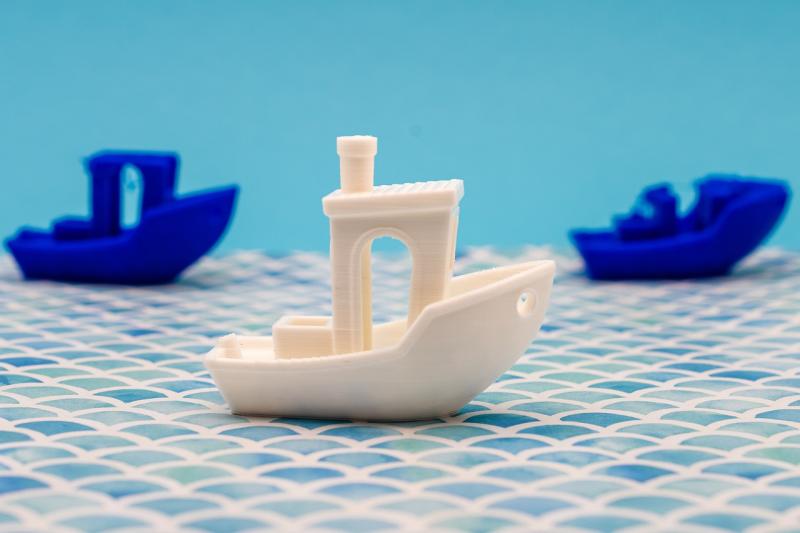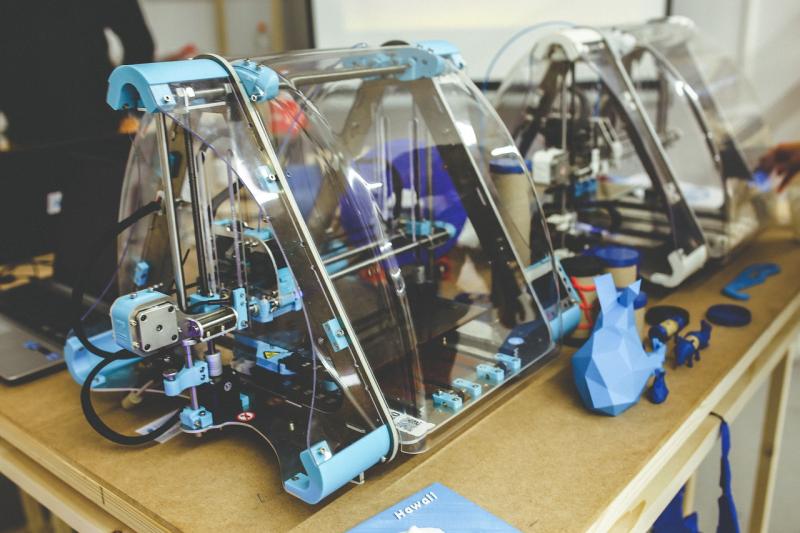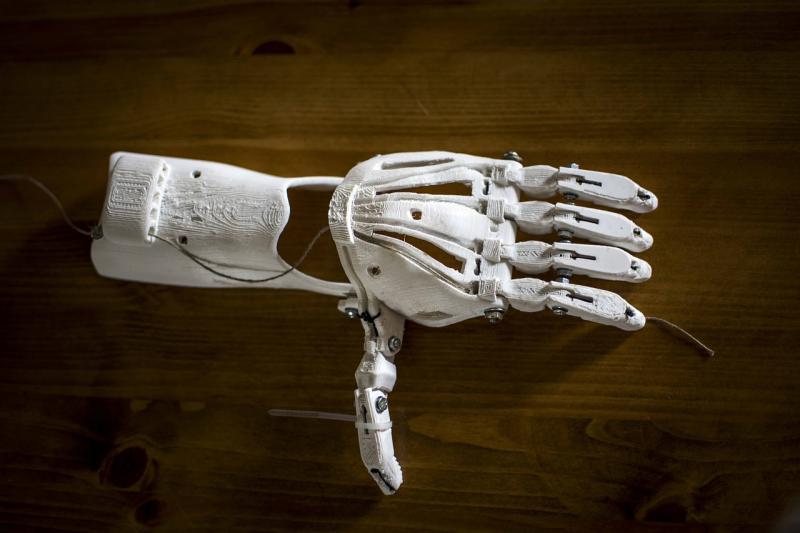
Getting started with 3D printing is easier than you might think. First, let’s break down the basic components you’ll need. The heart of it all is a 3D printer. There are many types out there, like FDM and resin printers. FDM printers are popular for beginners because they’re affordable and pretty straightforward to use.
Next up, you’ll need some filament or resin. If you go for an FDM printer, you’ll want to stock up on different types of filament. PLA is a great choice for newbies since it’s easy to work with and environmentally friendly. For resin printers, there’s a bit of a learning curve, but they can create stunning details.
Now, let’s talk software. You’ll need slicing software to turn your 3D model into instructions your printer can understand. Programs like Cura are user-friendly and free, making them perfect for beginners. You can find tons of free models online to print and practice with, like toys, tools, or even home decor items.
Once you’ve got your printer, materials, and software ready, it's time to set everything up. Make sure you follow the setup instructions carefully, as it can vary by printer model. Familiarize yourself with the controls and settings. Don’t skip the calibration step; it’s super important for getting good prints.
Finally, start experimenting! Print simple items first. As you gain confidence, you can tackle more complex designs. Remember, mistakes are just part of the journey, so don’t get discouraged if things don’t turn out perfectly at first. Dive in and have fun with it!
Choosing the Right 3D Printer for You
Choosing the right 3D printer can feel overwhelming with so many options out there. But don’t worry! The key is figuring out what you want to make and how much you’re willing to spend. Start by considering the types of projects you'll tackle. Are you looking to print prototypes, custom products, or something funky for fun?
If you’re just starting, budget-friendly models like the Creality Ender 3 or Anycubic i3 Mega are great choices. They offer solid performance without breaking the bank, and you can easily find tutorials online to help you get started. If you’re aiming for something bigger and more professional, keep an eye on printers like the Prusa i3 MK3S+ which delivers great print quality and reliability.
Think about the materials you want to use, too. Some printers work best with PLA, while others can handle tougher materials like ABS or PETG. If you're all about flexibility, look for a printer that supports multiple filament types. This way, you can experiment with different projects and expand your offerings as your business grows.
Don't forget about the size of the build area! If you plan to create larger objects, you’ll need a printer with a big enough space to handle them. Smaller models are perfect for quick designs or intricate details but may limit you when getting ambitious. Check the specs before making your choice to ensure it fits your creative vision.
Best Materials for Small Business Prints
When you’re starting a small business with a 3D printer, choosing the right materials can make a big difference. Each material has its own unique qualities that can affect your final product, so let’s break down some of the best options for your prints.
PLA (Polylactic Acid) is a top choice for beginners. It’s user-friendly, biodegradable, and comes in a rainbow of colors. PLA works well for creating prototypes, customer giveaways, or decorative items. Plus, it’s safe to use indoors since it doesn’t give off harmful fumes.
If you want something a bit stronger, ABS (Acrylonitrile Butadiene Styrene) might be your go-to. It’s tough and can handle heat better than PLA, making it suitable for functional parts. Just keep in mind that ABS can warp, so make sure your printer has a heated bed to keep things in check.
Looking for a professional finish? PETG (Polyethylene Terephthalate Glycol-Modified) combines the best of both worlds. It’s durable and flexible, which is perfect for items like phone cases or custom parts. It’s also resistant to moisture, so you won’t have to worry about your products getting damaged easily.
Lastly, consider TPU (Thermoplastic Polyurethane) for projects that need some stretch. This flexible material is great for things like rubbery grips or custom wearables. It takes a bit of practice to print with, but the results are worth it if you need durable, bendable items.
Tips for Marketing Your 3D Printed Products
Getting your 3D printed products out there doesn’t have to be super complicated. Here are some friendly tips to help you market your creations like a pro.
First, leverage social media. Platforms like Instagram and Facebook are goldmines for showcasing your work. Post eye-catching photos of your products from different angles, share behind-the-scenes processes, and even go live while you’re printing something awesome. Engaging with your audience builds excitement and trust.
Consider creating a website or a simple online store. It doesn’t need to be fancy. Just make sure it’s easy to navigate. Show off your products clearly, and include clear prices and descriptions. Let potential customers see what sets your items apart. You can even add a blog section! Share tips on using 3D printed items or stories behind your designs.
Don’t forget about online marketplaces like Etsy or Amazon. These platforms already have traffic, which can help you get noticed without needing to build everything from scratch. Just make sure to optimize your listings with good keywords to show up in searches!
Lastly, consider collaborating with other small businesses or local makers. Team up for events, or share each other’s products on social media. It’s a great way to reach new audiences and boost your visibility. Teamwork makes the dream work!