Once you have your printer, you’ll need some software to turn your ideas into reality. Many printers come with their own software, but there are also free options like Tinkercad and Fusion 360. They let you design your own 3D models or tweak existing ones. Don’t worry if you’re new to this; there are tons of tutorials online to help you out.
Next, it’s time to get your hands on filament. This is the material you’ll be using to print, and it comes in various types like PLA, ABS, and PETG. PLA is a great choice for beginners because it’s easy to work with and eco-friendly. Make sure you pick the right color to match your vision!
Lastly, before you hit print, double-check your settings. Things like print speed, temperature, and layer height can make a huge difference in quality. Don’t be afraid to experiment a bit to find what works best for you. And remember, the first print might not be perfect, but that’s all part of the fun! Enjoy the process, and you’ll be creating amazing 3D prints in no time.
Choosing the Right 3D Printer
When it comes to picking a 3D printer, you’ll want to think about what you plan to make. Are you looking to print toys, tools, or maybe some cool art pieces? Different printers excel in different areas, so knowing your end goal helps narrow down your options.
Next, think about your budget. 3D printers can range from a few hundred bucks to several thousand. If you’re just starting out, you might want to look into entry-level models that offer great value without breaking the bank. These printers are usually user-friendly, which makes them perfect for beginners.
Another important factor is the type of materials you want to use. Some printers only handle plastic filaments like PLA and ABS, while others can work with advanced filaments like nylon, wood, or even metal. Make sure to check the specs and see what materials are compatible with the printer you’re considering.
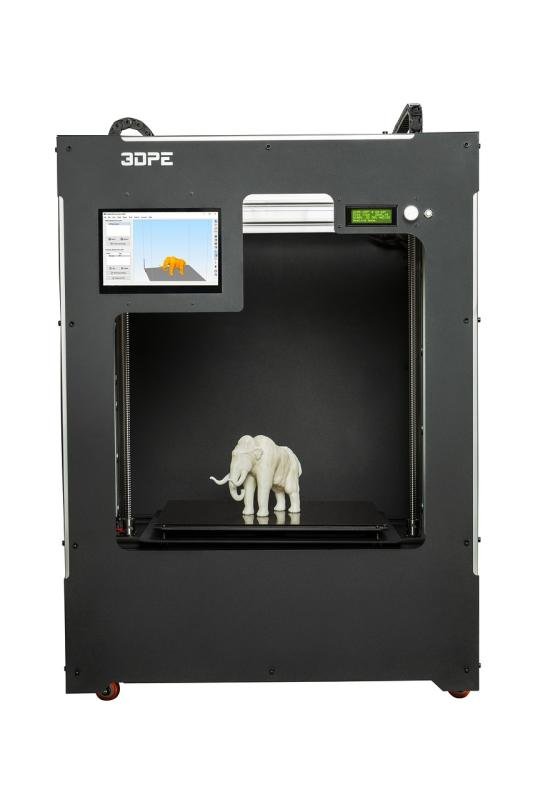
Don’t forget about size! Think about the size of the objects you want to create. Some printers have a small build volume, which means they can’t print large items. If you have big plans, look for a printer that offers a larger build area. You don’t want to get stuck halfway through a project!
Finally, consider user reviews. They can give you a good feel for how easy the printer is to set up and use. Look for feedback on things like print quality and reliability. A few moments spent reading through user experiences can save you a lot of hassle later on. Happy printing!
Exploring Popular 3D Printer Types
When it comes to 3D printers, picking the right type can make all the difference. There are a few popular options, and each type brings something unique to the table. Let’s dive into some favorites.
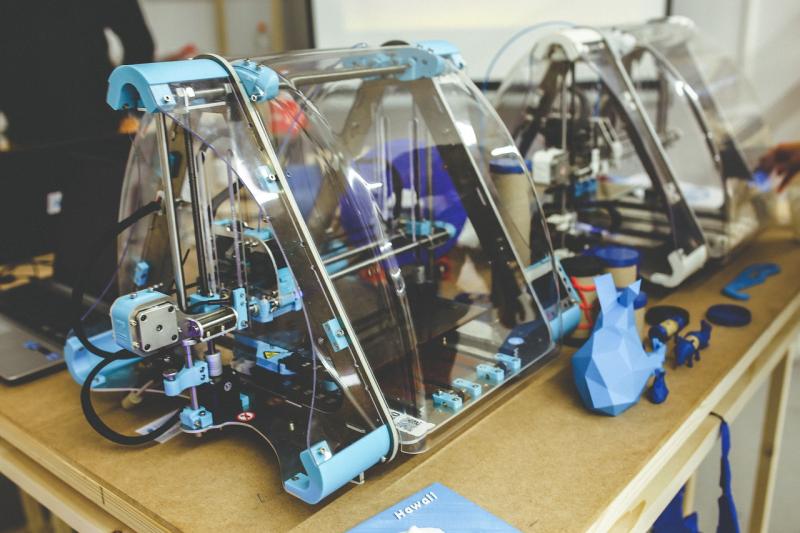
FDM Printers are incredibly popular for home use. They work by melting plastic filament layer by layer, creating solid objects in a way that's pretty straightforward. If you’re looking to print prototypes, toys, or even functional parts, FDM is your go-to. They’re affordable and have a vast range of materials to choose from, which makes them a fantastic choice for beginners and hobbyists.
Then we have Resin Printers, which use liquid resin and UV light to cure and harden the material. The detail you get with resin printers is jaw-dropping. They’re perfect for intricate designs like miniatures and jewelry. Keep in mind, though, they can be a bit pricier and require some extra care when handling the resin.
SLA Printers are another contender in the resin family. They’re known for their high resolution and smooth finishes. If precision is key in your projects, SLA printers won’t let you down. However, they can take longer to print than FDM printers, but that trade-off often results in stunning, detailed pieces.
Finally, SLS Printers use powdered material and lasers to fuse the powder into solid layers. This method is great for more advanced users looking to create durable and complex pieces. SLS printers can be a bit on the expensive side, making them ideal for professional environments or serious enthusiasts.
Tips for Successful 3D Printing
Starting your 3D printing journey? Here are some friendly tips to help you nail it!
First off, make sure you choose the right filament. PLA is a great go-to for beginners because it’s easy to work with and doesn’t need a heated bed. If you’re feeling more adventurous, try ABS for tougher projects, but it can be a bit tricky. Always check the printer’s compatibility before diving in!
Next, calibrate your printer. This step is super important! A well-calibrated machine will give you better prints and save you from a ton of frustration. Take a little time to level the bed and adjust the nozzle height. It’ll pay off in the long run.
Don’t forget about your print settings. Slower speeds often mean better quality. If you’re just starting, play around with various settings and see how they affect your prints. Experimenting is part of the fun!
Finally, keep your workspace clean and organized. Dust and debris can mess with print quality. A tidy area helps you focus on your creative projects, making the whole process more enjoyable!